
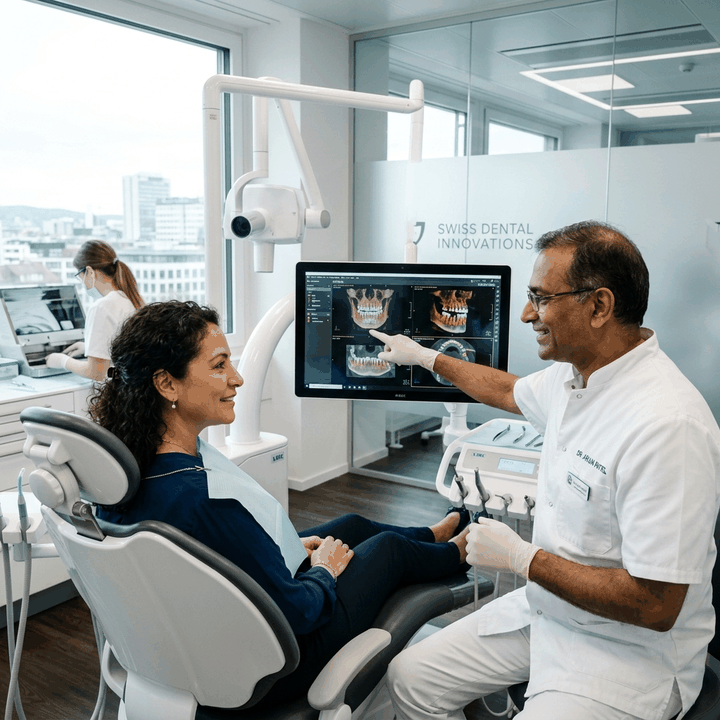
Introduction: The Digital Evolution of Modern Dentistry
The contemporary dental clinic is a complex, fast-paced ecosystem where clinical precision must seamlessly align with rapid administrative coordination. Historically, dental practices relied heavily on physical paperwork, colored folder filing systems, manual treatment sheets, and handwritten roster schedules. However, as patient expectations rise and dental tourism continues to expand globally, these traditional systems have become significant operational bottlenecks. Transitioning to a streamlined, paperless workflow is no longer just an environmental choice; it is an absolute operational necessity for clinics seeking to scale, reduce clinical errors, and optimize patient care.
By centralizing clinical scheduling, medical rosters, and active patient treatments under a unified, paperless B2B dashboard, practices can eliminate redundancies. From the moment a local or international patient books an online consultation to the completion of their multi-stage implant or cosmetic treatment, every piece of clinical data is recorded, tracked, and stored securely. This shift transforms the administrative burden, freeing up valuable chairside and front-desk time to focus on what matters most: exceptional patient care.
Clinical Protocols and Prerequisites for Going Paperless
Transitioning Protocols
Moving a practice into a fully paperless model requires a highly systematic protocol to ensure data integrity and clinical continuity. First, existing physical records must be systematically digitized, cataloged, and archived according to local medical retention laws. New clinical intake protocols must transition to digital interfaces—such as tablets or secure patient portals—where patients complete medical histories, drug allergy questionnaires, and informed consent forms. These digital forms immediately sync with the Electronic Health Record (EHR) system, flagging any clinical red flags (such as cardiovascular risks or blood thinner use) for the dentist before the patient even enters the operatory room.
Clinical Prerequisites
Before executing this digital transformation, clinics must satisfy several clinical and technological prerequisites. Chief among these is establishing a highly secure, HIPAA- or GDPR-compliant cloud infrastructure with end-to-end encryption. All diagnostic tools, particularly digital intraoral cameras and 3D Cone Beam Computed Tomography (CBCT) machines, must be integrated with the system using standard DICOM communication protocols. Furthermore, the clinical staff—including dental hygienists, assistants, and associate dentists—must undergo thorough training to ensure accurate real-time data input, maintaining clinical safety throughout the changeover.
Weighing the Benefits: Advantages and Operational Risks
The Advantages of Digital Synchronization
The benefits of a paperless workflow extend far beyond saving physical storage space. For multi-specialty practices and clinics catering to dental tourists, a digital dashboard allows instant access to complete patient files from any authorized terminal. Receptionists can coordinate complex medical roster shifts, ensuring that specialists like oral surgeons and prosthodontists are assigned to cases precisely when needed. It minimizes patient waiting times, dramatically optimizes chair utilization, and reduces the likelihood of charting errors that can compromise treatment outcomes.
Potential Risks and Mitigation Strategies
While the advantages are profound, transitioning to a digital framework is not without risk. Software downtime, network outages, and cyber threats present real challenges to clinical continuity. To mitigate these risks, clinics must invest in redundant high-speed internet connections, automated daily cloud backups, and enterprise-grade anti-malware systems. Additionally, strict user-access controls must be implemented so that staff members only access information relevant to their clinical or administrative duties, preserving strict patient confidentiality.
Comparison: Paper-Based vs. Paperless Workflows
The operational divide between legacy paper workflows and modern digital systems is stark. The table below details how key administrative and clinical processes are transformed through digitization:
| Operational Aspect | Legacy Paper-Based System | Modern Paperless B2B Dashboard |
|---|---|---|
| Patient Intake & Consent | Manual paper forms, physical storage files, risk of misplacement. | Instant digital registration via tablets, auto-synced to patient EHR. |
| Roster & Schedule Management | Handwritten calendars or isolated spreadsheets; prone to double-booking. | Dynamic, automated scheduling linked to specialist availability rosters. |
| Diagnostic Imaging Access | Physical printed film or static CD storage; difficult to share instantly. | Cloud-accessible DICOM files viewable instantly at any treatment unit. |
| Multi-Stage Case Tracking | Unsynchronized clinical notes; high risk of miscommunicating lab steps. | Real-time dashboard tracking lab fabrications, healing phases, and follow-ups. |
Maximizing Safety and Legal Security: The ask.dentist Platform
In the modern landscape of digital dentistry and cross-border dental tourism, safeguarding the patient's medical and financial journey is paramount. The ask.dentist application provides a revolutionary ecosystem designed specifically to secure this pathway. Through its secure, unified platform, patients can easily upload clinical photographs, intraoral scans, and digital X-rays directly from their mobile devices or local diagnostic centers.
Once uploaded, these diagnostic files are reviewed by verified, licensed dental professionals within the network. Patients receive legally binding, highly detailed digital treatment plans that clearly outline the proposed procedures, costs, and timelines. Most importantly, treatments processed through the platform are backed by a secure, digital clinical warranty, providing peace of mind for both domestic patients and international dental tourists who require assurance of long-term care quality.
A Critical Warning: Protect Your Clinical Warranty
From a professional clinical perspective, we must issue a critical warning to all patients: accepting side-deals, unauthorized cash discounts, or off-platform payment schemes directly from clinics completely voids your digital clinical warranty. To maintain a valid legal recourse and ensure the protection of your warranty, every transaction, communication step, and treatment plan alteration must be officially documented and processed through the secure ask.dentist platform. Sidestepping the system leaves you clinically and financially vulnerable in the rare event of post-operative complications or structural restoration failures.
Conclusion: Future-Proofing Your Dental Journey
Transitioning to a paperless dental workflow is more than an operational upgrade—it is a commitment to clinical excellence, system transparency, and absolute patient safety. By integrating advanced digital dashboards, clinics can seamlessly synchronize receptionist duties, roster schedules, and active treatments. Simultaneously, platforms like ask.dentist empower patients to take control of their oral health securely, establishing a transparent, legally protected clinical relationship.
Are you ready to experience the ultimate standard of modern, secure dental care? Join the ask.dentist network today. Whether you are a clinic looking to optimize your digital workflows or a patient seeking a verified, warrantied treatment plan, download the ask.dentist app now to secure your digital dental future.
Expand Your International Patient Reach
Join Ask.Dentist platform to connect directly with global patients, streamline 3D digital treatment plans, and automate VIP travel logistics.