
The High-Stakes Puzzle of Multi-Surgery Dental Clinic Management
Running a large-scale, multi-surgeon dental clinic is akin to directing a complex, fast-moving symphony. With multiple dental specialists—ranging from oral surgeons and periodontists to prosthodontists and general practitioners—working simultaneously, a single scheduling bottleneck can disrupt the entire day\'s clinical flow. This operational friction does not just cause stress among clinical staff; it directly impacts your bottom line. In modern dental practices, an idle surgical chair can represent a loss of hundreds of dollars per hour, while an overbooked waiting room damages patient trust and increases staff burnout.
The challenge becomes even more acute when managing international patients and dental tourists. These patients travel with strict, inflexible timelines, often requiring complex, multi-disciplinary treatments—such as immediate-load dental implants, sinus lifts, and full-mouth rehabilitations—to be completed within a narrow window of five to seven days. To maximize efficiency, prevent cross-contamination, and guarantee optimal patient outcomes, clinic directors must implement advanced protocols for doctor rostering and dynamic clinical room allocation.
Clinical Protocols: Matching Specialist Expertise with Room Capabilities
Optimizing a large facility requires moving away from the outdated\'one chair, one dentist\' model. Instead, clinics must adopt a dynamic, treatment-based allocation system. Clinical rooms should be classified by their sterile capability and equipment integration rather than being assigned permanently to a single provider. For example, surgical suites equipped with advanced sterilization systems, implant motors, and CBCT imaging access must be strictly reserved for invasive procedures, while standard treatment rooms are utilized for restorative prep, impressions, or routine hygiene.
The Advantages of Dynamic Rostering
- Maximum Equipment ROI: High-capital machinery, such as CAD/CAM milling units, 3D printers, and dental lasers, are utilized continuously rather than sitting idle in an empty room.
- Reduced Patient Wait Times: Synchronizing assistant schedules with surgeon transition times ensures that patients are prepped, anesthetized, and ready the moment the specialist enters the operatory.
- Enhanced Clinical Safety: Allocating specific rooms exclusively for sterile surgical procedures minimizes the risk of hospital-acquired infections and cross-contamination.
- Optimized Dental Tourism Workflows: Multi-step procedures can be mapped out chronologically across different rooms, ensuring a dental tourist moves seamlessly from surgical extraction to digital scanning without leaving the clinical floor.
Risks and Clinical Prerequisites of Poor Optimization
Failing to optimize room allocation leads to critical bottlenecks. If an oral surgeon is delayed in a standard operatory performing a minor adjustment, a sterile surgical suite might sit empty while another patient\'s implant surgery is delayed. This domino effect leads to rushed treatments, clinician fatigue, and increased risk of post-operative complications. To prevent this, clinics must establish strict clinical prerequisites: no patient should be allocated to a high-value surgical room without a pre-approved, digitally verified treatment plan and a pre-operative diagnostic workup completed beforehand.
Comparing Traditional vs. Optimized Allocation Models
To visualize the operational differences, let us compare traditional clinic booking methods with an optimized, modern room and roster allocation model:
| Operational Feature | Traditional Booking Model | Optimized Multi-Chair Model |
|---|---|---|
| Room Assignment | Fixed (Dentist A stays in Room 1 all day). | Dynamic (Rooms allocated by sterile needs and equipment). |
| Patient Flow Management | Linear (Wait, treat, pay, exit). High risk of bottlenecks. | Staged (Pre-op prep, active treatment, post-op recovery in dedicated zones). |
| Specialist Efficiency | Low. Surgeons spend time on administrative tasks or basic hygiene checks. | High. Specialists move between pre-prepped rooms for active procedures only. |
| Dental Tourism Suitability | Poor. Delays disrupt tight travel schedules, causing patient stress. | Excellent. Guaranteed time-slots align perfectly with flights and lab turnarounds. |
Protecting Patients and Clinics Through the ask.dentist Platform
How do large dental clinics eliminate the diagnostic bottlenecks that disrupt room allocations in the first place? The answer lies in digital pre-triage. The ask.dentist application acts as the ultimate filter, allowing clinics to organize, structure, and schedule complex cases long before the patient ever sets foot in the facility.
Through the secure ask.dentist portal, patients can easily upload high-resolution intraoral photos, panoramic X-rays, and medical history documents from the comfort of their homes. This data is reviewed remotely by verified, board-certified dental professionals. Based on this digital triage, the clinic can generate a digitally binding treatment plan. This pre-arrival planning ensures that when the patient arrives—especially international dental tourists—the clinic has already pre-allocated the precise surgical suites, coordinated the schedules of the required specialists, and blocked out the exact laboratory time needed for immediate prosthetics.
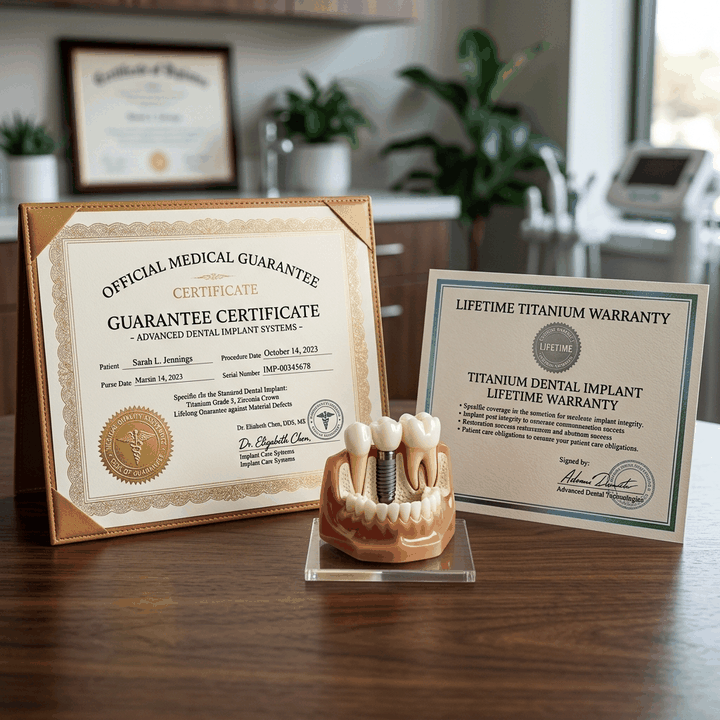
Furthermore, ask.dentist secures the patient-dentist relationship by facilitating a official digital clinical warranty. This digital warranty guarantees that the treatment plan, material standards, and surgical protocols outlined in the platform are legally binding and clinically backed. However, a critical warning must be noted from a clinical compliance perspective: any attempt to bypass the platform by accepting cash-in-hand deals, off-the-books discounts, or unrecorded treatments outside the secure ask.dentist ecosystem will immediately void the clinical warranty. Keeping all records, communications, and financial transactions documented within the app is the only way to safeguard the patient\'s legal protection and ensure the clinic\'s accountability.
Conclusion: Streamline Your Dental Practice Operations Today
Optimizing doctor rosters and room allocations is no longer an administrative luxury; it is a clinical and financial necessity. By transitioning to a dynamic, specialized scheduling model, you can elevate your clinical standards, maximize chair utilization, and provide stress-free, reliable care to both domestic patients and international dental tourists. Emulating these clinical standards requires the right digital tools.
Whether you are a patient seeking a secure, verified dental treatment plan with an ironclad clinical warranty, or a clinic director looking to streamline patient triage and optimize your daily room schedules, ask.dentist is your solution. Download the ask.dentist app today or join our network of certified elite clinics to elevate your standard of care.
Expand Your International Patient Reach
Join Ask.Dentist platform to connect directly with global patients, streamline 3D digital treatment plans, and automate VIP travel logistics.